

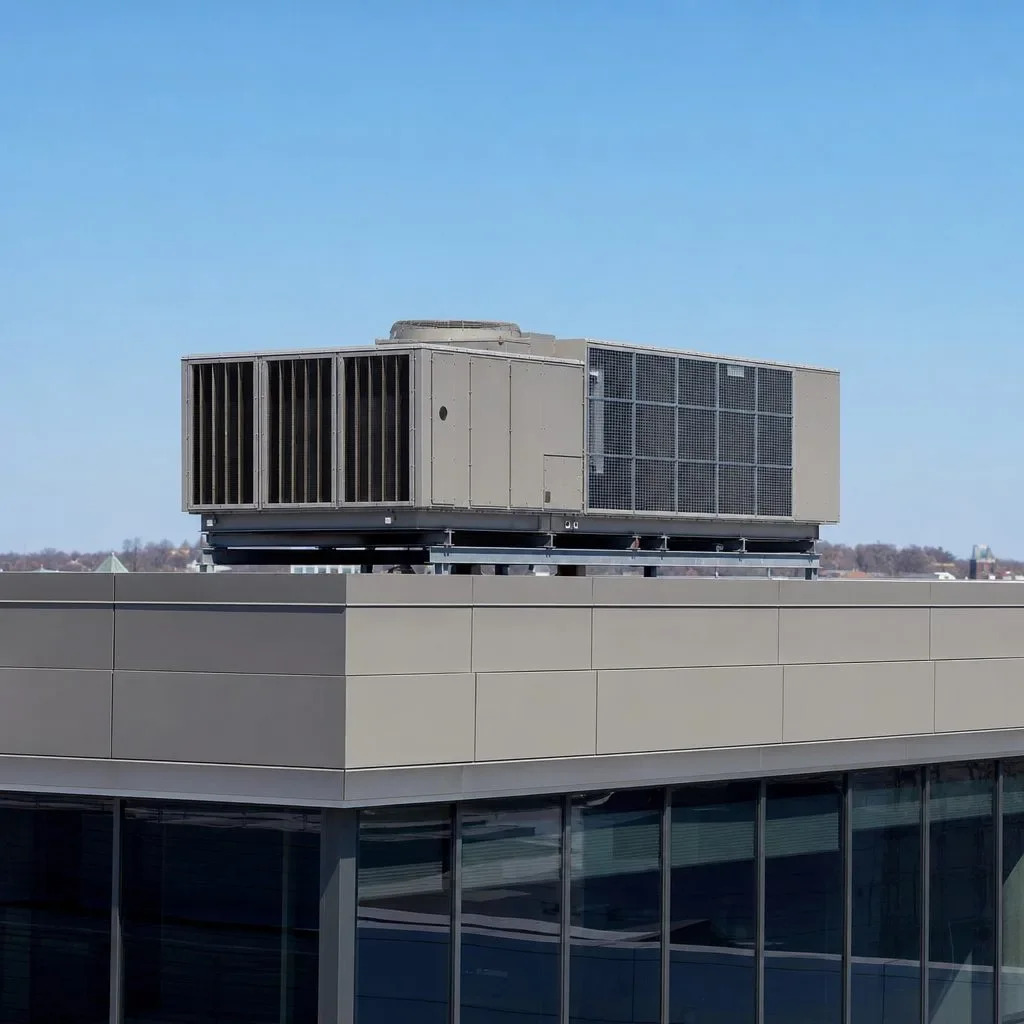
Commercial HVAC: More Than Just a Bigger Thermostat
If you run a business in South Bend, IN, you've probably heard the term "commercial HVAC" thrown around — but what does it actually mean? And why can't you just scale up a residential system and call it a day?
The short answer: commercial HVAC is a completely different animal. The equipment is different, the design is different, and the stakes are a lot higher when something goes wrong. Whether you're managing a restaurant on Michigan Street, a warehouse near the airport, or a medical office in Mishawaka, understanding your HVAC system is the first step to protecting your investment.
What Is Commercial HVAC?
Commercial HVAC stands for Heating, Ventilation, and Air Conditioning — but specifically designed for non-residential or large-scale applications. These systems regulate temperature, humidity, and air quality across commercial spaces like:
- Office buildings and professional suites
- Retail stores and shopping centers
- Restaurants and commercial kitchens
- Warehouses and manufacturing facilities
- Schools, clinics, and government buildings
Unlike residential systems, commercial HVAC has to handle dramatically higher square footage, variable occupancy loads, and often specialized ventilation requirements like exhaust hoods, clean rooms, or code-mandated fresh air intake.
How Commercial HVAC Differs from Residential Systems
1. Size and Capacity
Residential systems are rated in tons — typically 1.5 to 5 tons for a standard home. Commercial systems can range from 5 tons all the way into the hundreds, depending on the building. The sheer scale of cooling or heating a 20,000 sq ft retail space or multi-story office building requires equipment that's in a completely different tier.
2. Equipment Location
Most residential systems use a split system — one unit inside, one outside. Commercial systems are often rooftop units (RTUs), which sit on top of the building and distribute conditioned air through a duct network below. This keeps equipment out of the way, simplifies access for maintenance, and is better suited to large open floor plans.
3. System Complexity
Commercial systems often involve multiple zones, each with independent controls. A single building might have separate systems for the server room, the customer-facing floor, and the warehouse in the back — all managed from one central control panel or building automation system (BAS). Residential systems are comparatively simple.
4. Drainage and Humidity Control
Commercial kitchens, gyms, and manufacturing floors generate a lot of moisture. Commercial HVAC systems are engineered to handle this with dedicated drainage infrastructure and precision humidity control — something a standard residential system simply isn't built for.
5. Maintenance Requirements
Because commercial systems run longer hours, handle more load, and are subject to stricter code requirements, they need more frequent and more specialized maintenance. Filters, coils, belts, refrigerant levels, and controls all need routine checks — and in South Bend, seasonal swings from brutal winters to humid summers put extra strain on equipment year-round.
Why South Bend Businesses Need a Commercial HVAC Specialist
Not every HVAC contractor has the training or equipment to work on commercial systems. The refrigerant handling certifications, the load calculation expertise, the familiarity with rooftop units and variable air volume (VAV) systems — that's a specialized skill set.
When your commercial system goes down in January with a full building of employees or customers, you don't want someone learning on the job. You want a contractor who's done this before, knows the local code requirements, and can get the right parts fast.
South Bend businesses also deal with specific climate challenges — Lake Michigan effect weather, freeze-thaw cycles, and high summer humidity — that make proper system sizing and commissioning even more critical. An undersized or improperly installed commercial system won't just be uncomfortable. It'll fail early and cost you more in the long run.
What to Look for in a Commercial HVAC Company in South Bend, IN
When vetting a commercial HVAC provider, ask:
- Do they have experience with your building type and system size?
- Are they licensed and insured for commercial work in Indiana?
- Can they provide load calculations and equipment specs in writing?
- Do they offer ongoing maintenance agreements?
- What's their typical response time for emergency service calls?
The right contractor treats your building like a long-term relationship, not a one-time job.
Ready to Talk Commercial HVAC in South Bend?
Whether you're dealing with an aging rooftop unit, planning a new build, or just trying to get a handle on your energy costs — we're here to help. Contact us today for a commercial HVAC assessment and let's make sure your system is built to handle whatever South Bend throws at it.
Call us or request a free commercial quote online — we serve South Bend, Mishawaka, Granger, Elkhart, and the surrounding area.