

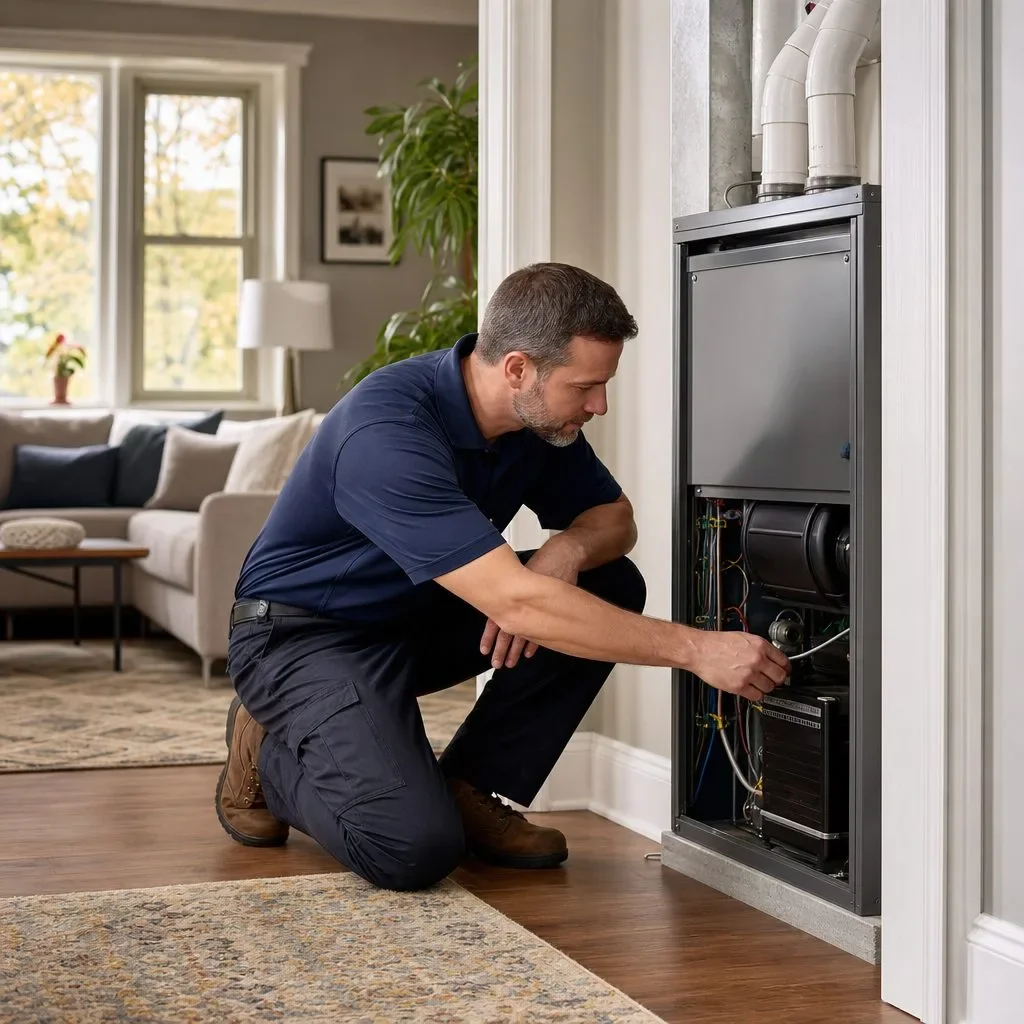
The Connection Between Your HVAC System and the Air You Breathe
Most homeowners in South Bend, IN think of their HVAC system as a comfort tool — it keeps you warm in January and cool in August. But here's what often goes overlooked: your heating and cooling system is also the primary air circulation system in your home. That means whatever is in your air — dust, pollen, mold spores, pet dander, bacteria — your HVAC system is either filtering it out or pushing it right back into your living spaces.
Indoor air quality (IAQ) has become a growing concern for homeowners across the country, and for good reason. According to the EPA, indoor air can be two to five times more polluted than outdoor air. In a climate like South Bend's — where we spend months sealed indoors against the cold — that stat hits differently.
How Your HVAC System Impacts IAQ (For Better or Worse)
Air Filtration
The most direct way your HVAC system affects air quality is through its filter. A standard 1-inch filter catches large particles like dust and debris, but it won't do much for fine particulate matter, allergens, or VOCs (volatile organic compounds). Upgrading to a higher-MERV filter or a whole-home air filtration system can make a dramatic difference — especially for households with allergy or asthma sufferers.
Filter neglect is one of the most common IAQ problems we see. A clogged filter doesn't just reduce airflow and spike your energy bill — it stops doing its job entirely, letting contaminants recirculate freely.
Humidity Control
South Bend winters are dry. South Bend summers are humid. Both extremes create IAQ problems.
- Too dry: Increases respiratory irritation, static electricity, and makes viruses spread more easily.
- Too humid: Creates ideal conditions for mold growth and dust mites — both serious allergen sources.
A properly functioning HVAC system, paired with a whole-home humidifier or dehumidifier, keeps indoor humidity in the healthy 35–50% range year-round.
Ductwork — The Hidden Variable
Your ducts are essentially highways for air moving through your home. If those ducts are leaky, dirty, or harboring mold, every time your system runs it's broadcasting those contaminants to every room. Duct cleaning and sealing isn't glamorous, but it's one of the highest-impact IAQ upgrades you can make.
Ventilation
Older homes in the South Bend area were built when "tight" construction wasn't a thing. Modern energy-efficient homes are sealed tightly — which is great for your heating bill, but bad for air exchange. Without adequate fresh air ventilation, pollutants accumulate. Energy Recovery Ventilators (ERVs) and Heat Recovery Ventilators (HRVs) solve this by bringing fresh outdoor air in without sacrificing energy efficiency.
Signs Your HVAC System Might Be Hurting Your Air Quality
Not sure if you have an IAQ problem? Watch for these red flags:
- Excess dust on furniture shortly after cleaning
- Musty or stale odors when the system kicks on
- Family members experiencing more frequent allergy symptoms indoors
- Visible mold near vents or on registers
- Humidity that feels consistently too high or too low
If any of these sound familiar, it's worth having a professional evaluate your system — not just for comfort, but for health.
What You Can Do Right Now
Here are practical steps South Bend homeowners can take today:
- Check and replace your air filter — aim for every 1–3 months depending on filter type and household.
- Schedule an HVAC tune-up — a clean, well-maintained system runs more efficiently and circulates cleaner air.
- Ask about IAQ add-ons — UV air purifiers, whole-home dehumidifiers, and media filters are add-ons that integrate directly into your existing system.
- Consider a duct inspection — especially in older South Bend homes that haven't had ductwork looked at in years.
Breathe Easier in South Bend
Your HVAC system is working 24/7 — make sure it's working for you, not against you. Better indoor air quality means fewer sick days, better sleep, and a healthier home for your family.
Ready to improve the air inside your South Bend home? Contact us today to schedule an indoor air quality assessment and find out exactly what your HVAC system is — or isn't — doing for you.