

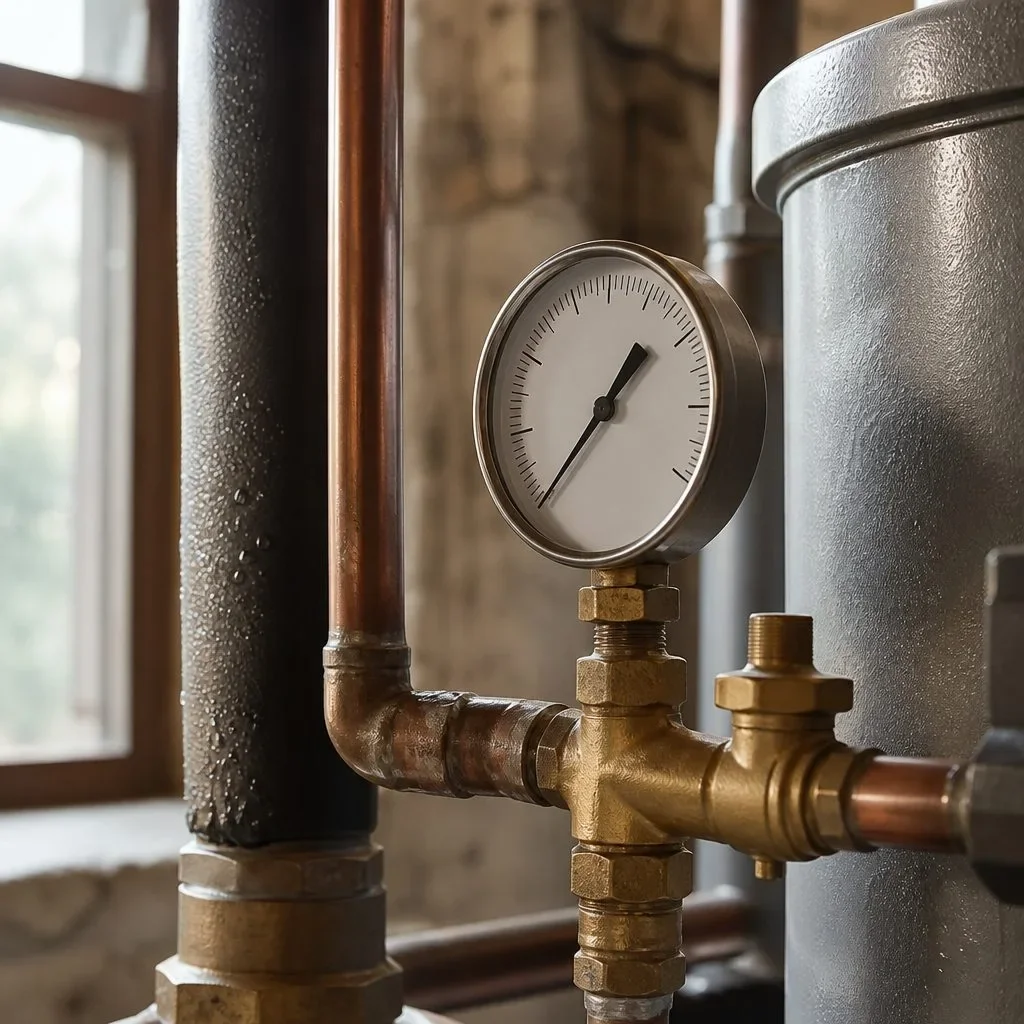
Boilers are quiet workhorses. Most homeowners never think about theirs until it stops doing its job — and in a South Bend winter, that can happen at the worst possible time. Unlike a furnace, a boiler heats water (or steam) and circulates it through radiators, baseboard units, or radiant floor lines. That means when something goes wrong, the fix usually involves more than just swapping a part — it means understanding a closed-loop system under pressure.
Common Signs Your Boiler Needs Repair
Boilers tend to give warning signs before they fail completely. Catching these early can mean the difference between a simple furnace repair-style fix and a full system replacement.
- Uneven heating — some rooms warm up fine, others stay cold, which often points to trapped air, a failing circulator pump, or sediment buildup in the lines.
- Strange noises — banging, kettling, or whistling sounds usually mean mineral deposits have built up inside the heat exchanger or there's air trapped in the system.
- Leaking water — even a small leak around the base or pipe connections should never be ignored. It's often a sign of a failing pressure relief valve or a cracked heat exchanger.
- Pilot light or ignition issues — a pilot that won't stay lit can point to a faulty thermocouple, gas supply issue, or a more serious control board problem.
- Low pressure readings — boilers need to maintain the right pressure range to function safely and efficiently. If the gauge keeps dropping, there's likely a leak somewhere in the closed loop.
If you're noticing any of these, it's worth comparing what you're seeing against what we cover in our guide on residential furnace repair — many of the diagnostic steps overlap, even though the systems themselves work differently.
What Actually Happens During a Boiler Repair Visit
A professional boiler repair isn't a one-size-fits-all job. Here's generally what's involved:
- Diagnostic inspection — checking pressure levels, inspecting for leaks, testing the ignition system, and reviewing the circulator pump function.
- Flushing or bleeding the system — removing trapped air or sediment that's interfering with heat distribution.
- Replacing worn components — thermocouples, pressure relief valves, circulator pumps, and gaskets are among the most commonly replaced parts.
- Safety checks — verifying the pressure relief valve, checking for carbon monoxide risks if it's a gas-fired unit, and confirming proper venting.
- System testing — running the boiler through a full heating cycle to confirm the repair resolved the original issue.
This is different from the troubleshooting steps outlined in our HVAC maintenance checklist, since boilers involve water pressure and closed-loop plumbing in addition to the combustion and electrical systems a furnace relies on.
Why Boiler Repair Isn't a DIY Project
Boilers combine plumbing, combustion, and pressurized systems in one unit. That combination is exactly why boiler repair calls for a licensed technician rather than a weekend fix. A pressure relief valve that's improperly reset, for example, can create a serious safety hazard. Gas-fired boilers also carry carbon monoxide risk if venting isn't inspected correctly after a repair.
If you're dealing with a gas-fired system, the same caution we recommend in our gas furnace installation article applies here — any work involving gas lines or combustion components should always go through a licensed professional.
When to Call for Boiler Repair vs. Replacement
Age matters. Most boilers last 15-20 years with proper maintenance. If your unit is approaching that range and you're facing a repair that costs more than 30-50% of a new installation, it's usually smarter to start looking at replacement options. Frequent repairs, rising energy bills, and persistent uneven heating are all signs the unit is nearing the end of its useful life — similar to the signals we talk through in when to replace furnace.
South Bend Winters Don't Wait
South Bend's cold season is long, and a boiler issue in January isn't something to put off. Whether it's a strange noise, a pressure drop, or a cold radiator in the back bedroom, catching the problem early usually means a smaller, less expensive fix.
If your boiler is acting up, don't wait for it to fail completely. Call Goff Heating & Plumbing today to schedule a diagnostic visit — we'll get to the bottom of it and get your home warm again, the right way.